Chapter 1 – Mexico – La Rumarosa, Highway of Death: Shadows of Good and Bad: A Journey Through Life’s Twists
How does one reconcile all the good stuff they presently have in their lives when we’re constantly reminded there’s so much bad going on in this world of ours? That question gnawed at me one crisp May morning in 2025, as I sat sipping coffee in my cozy kitchen, the sun streaming through the window.
The news in the background, a grim wake-up call: Russian artillery barrages raining down on the innocent people of Ukraine, a nation fighting for freedom and survival as winter loomed like a dark specter.
Closer to home, reports of ICE raids swept through my thoughts—agents descending on strawberry fields at dawn, workers scattering in panic, some fleeing into rows of low-lying plants, others detained on the spot. The raids hit chicken processing plants too, the lifeblood of nearby towns, where forklifts stood idle and production lines fell silent as officers rounded up dozens, checking papers and hauling away those without proper documentation.
Word was, those deemed illegal might soon be replaced by others, this time with the proper paperwork known as a visa, ready to fill the gaps in the fields and factories. This is the world we’re now living in. Those who know a thing or two about history know that the U.S. has done something similar to the Japanese and the Chinese and even the Mexicans before—internment camps, exclusion acts, mass deportations, shadows of a past that echo in the present.
Meanwhile, folks just want their discounted Costco chickens and year round strawberries, grumbling about delays as if the world’s troubles boil down to a $4.99 rotisserie. Fear lingered in those communities, families huddled in homes, uncertain who might be targeted next.
The images of shattered homes in Ukraine, tear-streaked faces, and now the quiet desperation of raided fields and factories flickered in my mind, clashing with the warmth of my own untouched world. I’m retired now, our home a refuge, my health a quiet blessing. Yet, there I was, swatting at a pesky mosquito nipping at my arm, a minor irritation that somehow felt like a metaphor for the larger struggles I couldn’t ignore.
So how do we reconcile the bad with the good? I pondered this as I leaned back in my chair, the question hanging heavy in the air. For one, we don’t yet know the end of the story. Life, like a war or a raid, is full of twists and turns we can’t predict. The Ukrainian people might endure, might triumph—or they might not. Those workers, torn from their livelihoods, might be replaced, their absence a fleeting disruption—or their stories might ripple further than we know. Just as I swatted that mosquito and sighed in relief, I reminded myself that my own story isn’t over either.
I’ve got a roof over my head, a body that still works, and memories of a life well-lived. Maybe that’s the trick: taking the good with the bad, as some wise soul once said. “Smile with the sad, love what you’ve got, and remember what you had. Always forgive but never forget. Learn from mistakes but never regret.” Those words, from an unknown poet, echoed in my head as I considered the balance of it all.
I thought of an old tale I’d heard years ago, about a Chinese farmer and his horse. One day, the farmer’s horse ran away. His neighbor, wringing his hands, said, “That’s bad news.” The farmer just shrugged and replied, “Good news, bad news, who can say?” A few days later, the horse returned, bringing a second horse with it. “Good news!” the neighbor exclaimed. Again, the farmer’s response was the same: “Good news, bad news, who can say?” The farmer gave the second horse to his son, who rode it proudly—until he was thrown off, breaking his leg badly. The neighbor clucked his tongue, offering sympathy for the “bad news.” Once more, the farmer stayed calm: “Good news, bad news, who can say?” A week later, the emperor’s men swept through the village, conscripting every able-bodied young man for a brutal war. The farmer’s son, with his broken leg, was spared. Good news, you might say. Or maybe just life, unfolding in its unpredictable way.
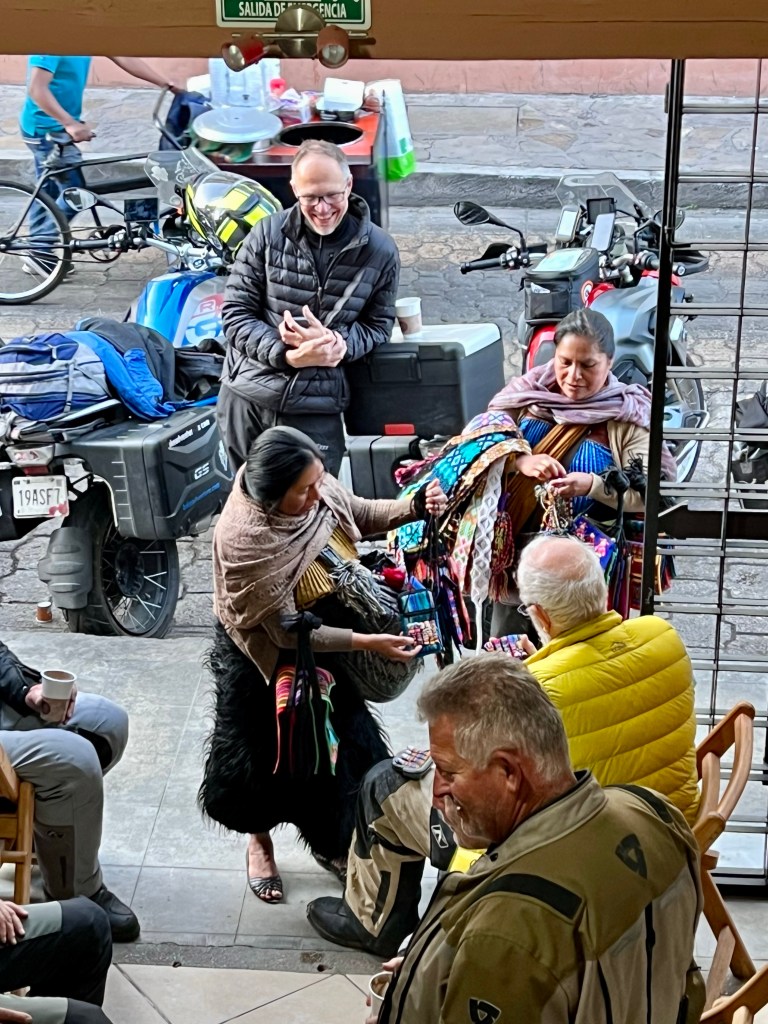
That story stuck with me as I planned my next adventure—a motorcycle ride through Mexico, a land of beauty and danger that called to me like a siren. I’d been craving the open road, the hum of my bike beneath me, the wind whipping past. I’d heard whispers of the Rumarosa, a stretch of asphalt officially called Federal Highway 2D, linking Tecate and Mexicali. In Spanish, it’s known as the “highway of death,” and for good reason. Two narrow lanes twist through sheer cliff drop-offs, hairpin turns dizzying enough to make you clutch the handlebars tighter. The desert sprawls below, dotted with boulders bigger than houses, a landscape both awe-inspiring and unforgiving. Parallel to Interstate 8 at Mountain Springs in California, the Rumarosa is a beast of a road—especially when the winds kick up, turning it into a gauntlet even seasoned riders hesitate to face.
I couldn’t help but chuckle to myself as I imagined the locals navigating it in beat-up Hondas and Toyotas, while many Americans would balk at the challenge. What kind of energy drove them, I wondered? The same resilience, perhaps, as those workers in the fields and factories, facing their own gauntlets, visa or no visa? And what kind of energy was I chasing, coming all this way to ride it myself?
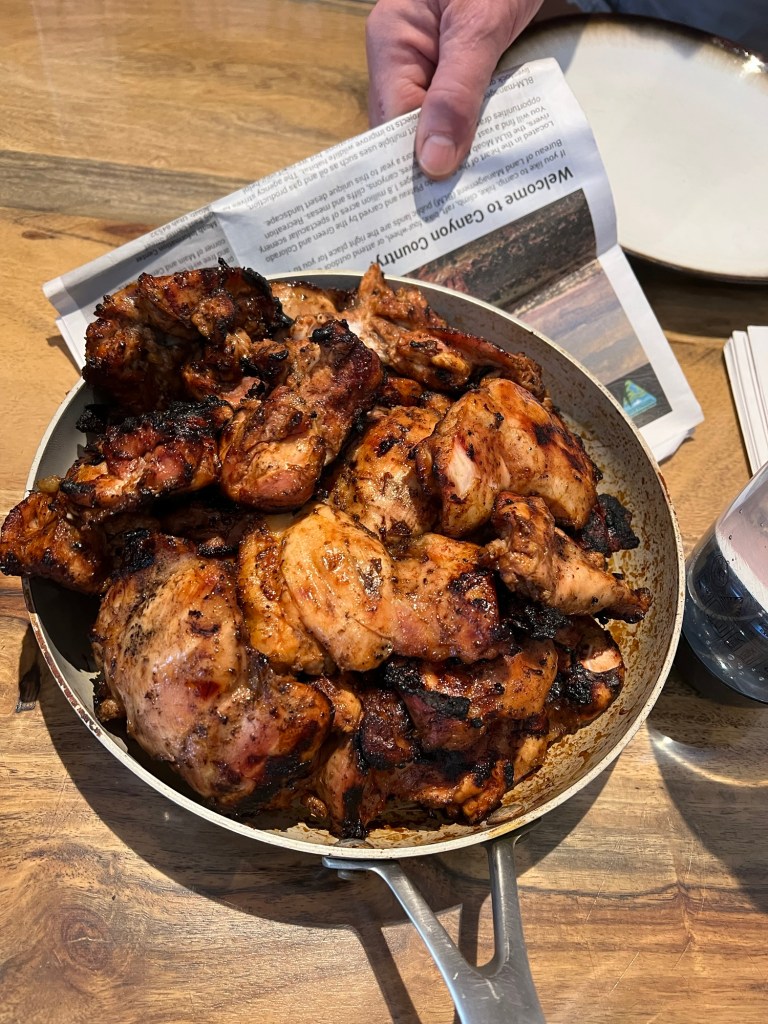
The farthest reaches of Mexico were still a mystery to me, wild and untamed, and maybe that’s why I was drawn here. Out there, in that expansive desert, what creatures thrived without water? Lizards, maybe, or cacti clinging to life in the cracks of the earth. I jotted a note to myself: Must try Arrachera beef while on this ride. It’s popular in Mexican cuisine, especially for dishes like carne asada tacos or fajitas, where it’s marinated with citrus, garlic, and spices, then grilled to medium-rare and sliced against the grain to ensure tenderness. A little reward for the risk, a taste of something new.
The Rumarosa would weed out the inexperienced, I thought, a grin tugging at my lips. I could almost hear myself muttering, “Good news, bad news, who can say?” as I pictured the road ahead. Maybe I’d conquer it, feel that rush of adrenaline that makes life sing. Or maybe I’d wipe out, another statistic on the highway of death. Either way, it was the ride itself that mattered—the chance to feel alive, to weave through the good and the bad like threads in a tapestry.
Back in my home kitchen, I thought of my old friend Shane, gone too soon. “We miss you, Shane,” I whispered to the empty room, a pang of sadness mixing with the anticipation of the journey ahead. Life was like that, wasn’t it? A pile of dog shit you step in, as Forrest Gump might say, followed by a quiet moment of grace. “Shit happens,” I muttered, echoing his wisdom, and then laughed. The news of Ukraine and the ICE raids still weighed on me, shadows I couldn’t shake, but so did the promise of the road, the taste of Arrachera, the unknown waiting beyond the next turn.
Maybe reconciliation wasn’t about solving the equation of good versus bad. Maybe it was about riding through it all—mosquito bites, war stories, raided fields, desert highways—and paying closer attention to life itself. I finished my coffee, grabbed my helmet, and headed for the garage where my BMW GSA 1250 was patiently waiting for me. The Rumarosa was calling, and I intended to answer.
(If you made it this far and enjoyed the writing then stay tuned as the book will be out soon. Feel free to give me some feedback).
End





 Trawlercat Chronicles