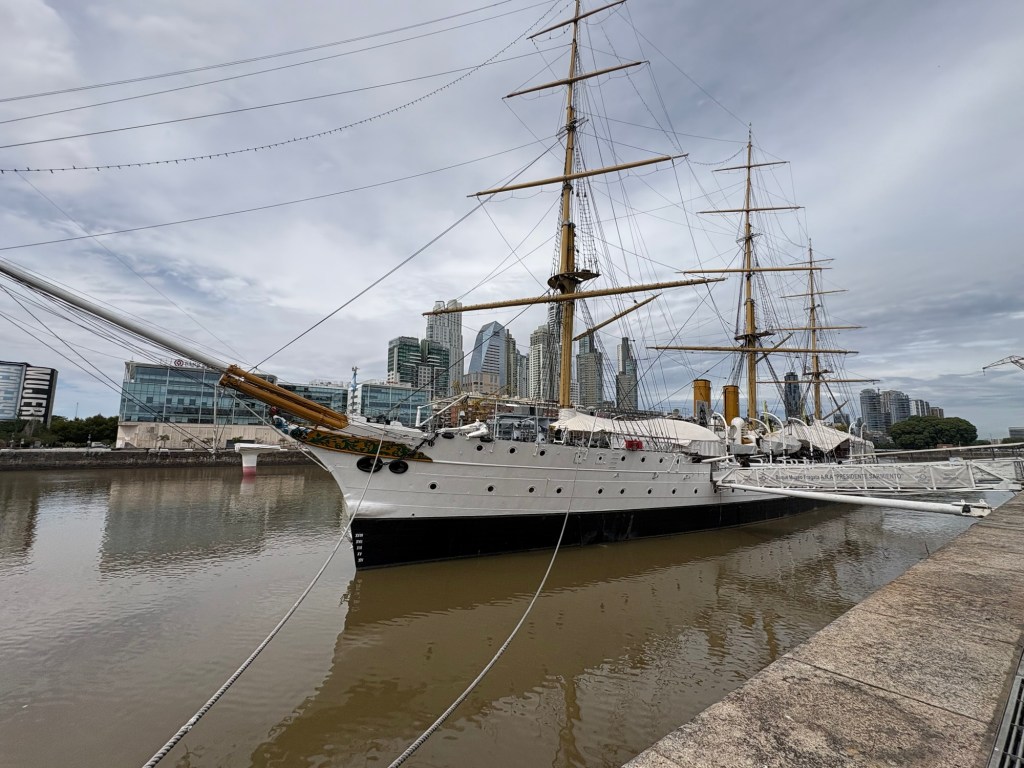
Living aboard my trawler at Rocky Point Marina, on the Multnomah Channel of the Columbia River, I met Scott. He was a born-and-raised Portlander with a quick laugh and a taste for muddy trails, so naturally we became hiking partners. We knocked off the usual suspects—Multnomah Falls to Wahkeena—and a few quieter ones most guidebooks ignore. One weekend we drove out to the Ape Caves on Mount St. Helens, those long, cool lava tubes formed a couple thousand years ago. Lava streamed down the flanks, the outside hardened, the inside kept flowing until it drained away and left a dark, echoing tunnel worth every minute of the crawl with headlamps and banged-up knees.
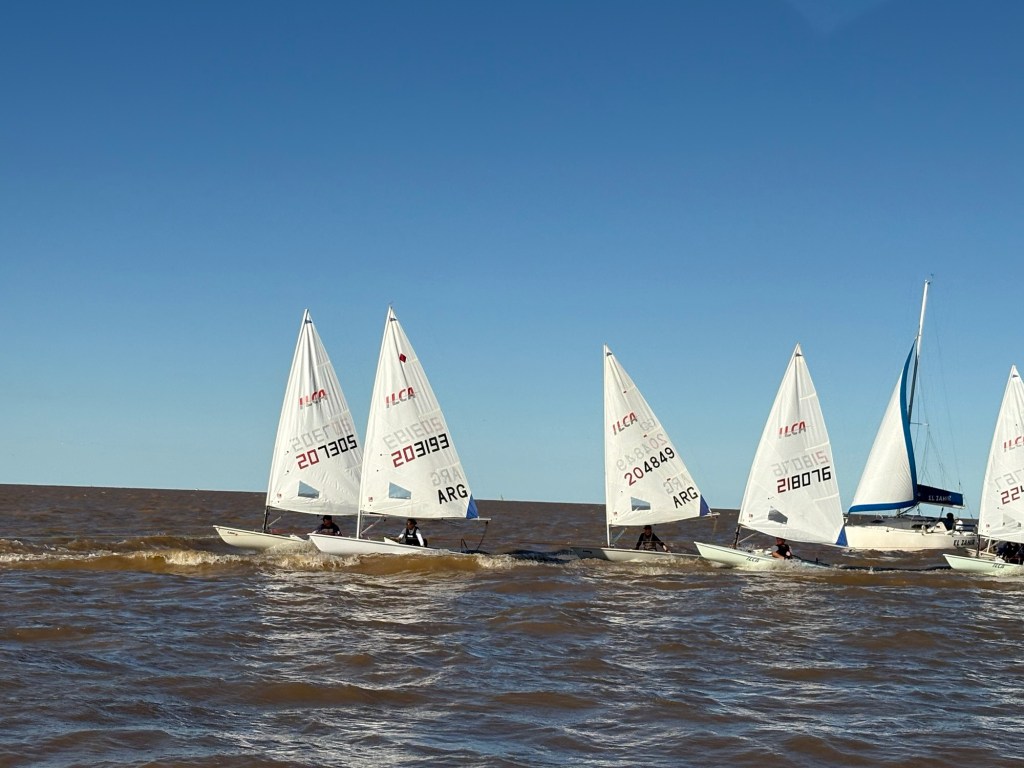
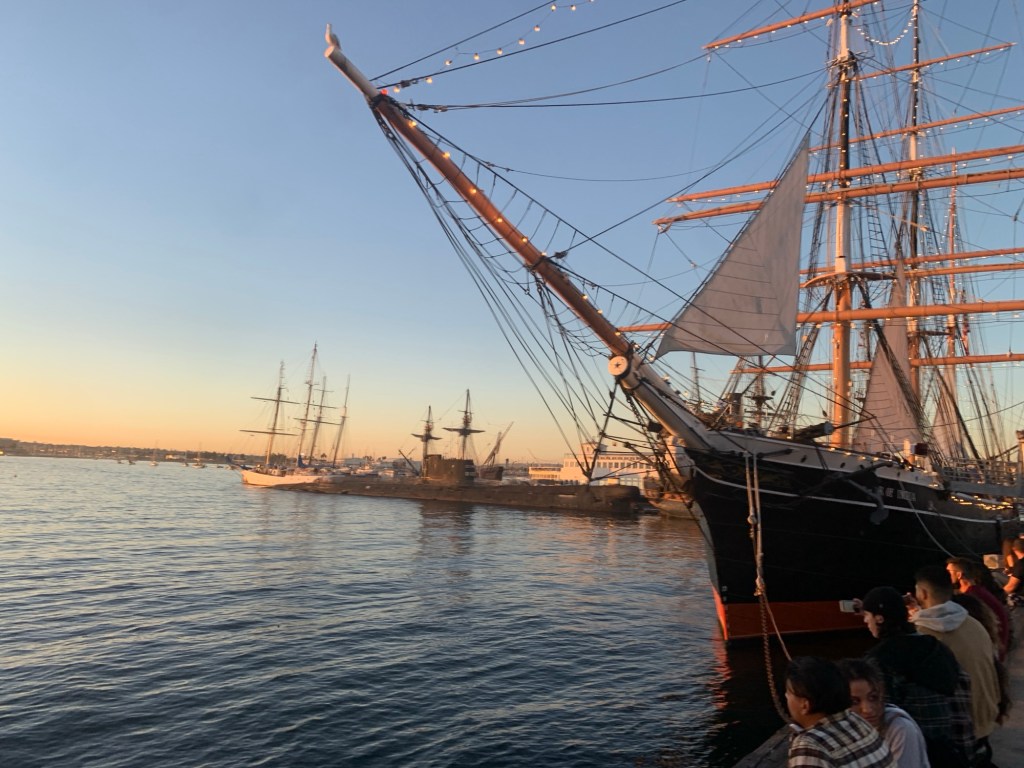
Scott lived on Stormy, a sturdy little 30-foot English Fisher ketch he’d named with the usual sailor optimism. He was gearing up for another run out the Columbia and north through the Inside Passage to Ketchikan. This time he wanted company that could actually read a chart.
He’d been an Army Ranger—Panama, Operation Just Cause—and before that he ran a decent plumbing business in Portland. Made good money, too. But the rain finally wore him down. “Wake up in the rain, work in the rain, come home in the rain,” he said. Then, with a perfect deadpan delivery: “One day it started raining… and it didn’t quit for four months.” I swear he could have walked right out of a Forrest Gump sequel.
So he sold the business, sold the house, and headed to Alaska. Plumbing work followed him. He spent months fitting flushing toilets into the last holdouts on the Aleutians. Hard days, but they left him plenty of time to wander the islands with a camera. He moved like the sniper he used to be—up before light, glassing from a ridgeline, waiting. Only now the weapon was a big telephoto lens. White mink, arctic foxes, seabirds. The photos were good enough for National Geographic, and the obsession stuck.
When I met him he was looking for a second set of hands to deliver Stormy to her new home. His last attempt hadn’t gone well. The other guy was a Ranger too, but no sailor. They’d tried to cross the Columbia Bar and the boat started hobby-horsing like a rodeo bull. The old English diesel coughed once and died. Two veterans suddenly sharing a very quiet, very wet moment of oh shit.
They call it the Graveyard of the Pacific for a reason. Ocean swell meets river current and the whole place can go from polite to murderous in minutes. Smart skippers wait for slack or flood. Scott didn’t have that luxury. He dove below, slapped a mattress over the hot engine, yanked the fuel line, and blew into it like his life depended on it—which it probably did. Something cleared. The engine fired. They limped across. His buddy swore off boat deliveries forever. Scott swore off doing it with a clapped-out motor.
This time the Yanmar was brand new, the fuel tank was aluminum, and every hose looked fresh from the factory. We left anyway.
The Inside Passage is beautiful in the way that slowly drives you a little crazy. A thousand miles of protected water, granite walls, dripping forests, and more shades of green than you knew existed. Whales, orcas, sea lions, bears, eagles—nature puts on the show whether you’re paying attention or not. But after a few days the daily rhythm settles into something almost monastic: rocks, trees, water, repeat. Five knots maximum. Hand steering the whole way because floating logs don’t care about your autopilot. At night we tucked into some cove, usually rafted up with other slow-moving dreamers doing the same trip.
Scott insisted on towing his fully inflated dinghy “just in case.” It added drag. Everything added drag. By the end I understood exactly why his previous crewmate had sworn off slow boats for life.
There’s an old line that keeps coming back to me: If the highest aim of a captain is to preserve his ship, he would always keep it in port.
Some days I think he had a point.
Trawlercat


