Deliberately Unhinged: One Week in Buenos Aires
Today is Sunday, March 15, 2026. I’ve been in Buenos Aires for exactly one week, and after finally getting a full night’s sleep last night—thanks to some nearby meth- or narco-induced chaotic couple on a nearby floor finally checking out—I’ve been reflecting on what I’ve come to call the city’s “deliberately unhinged” psychology.
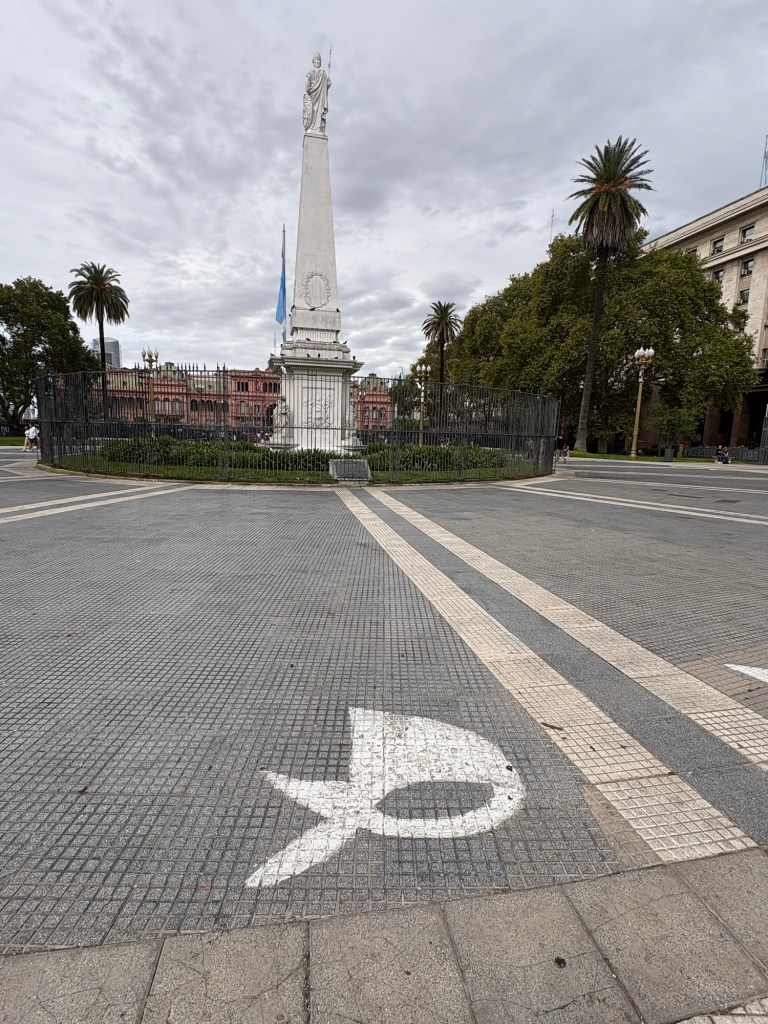
Buenos Aires isn’t merely disorganized on the surface (late nights, inconsistent services, unreliable online information). It operates from a deeper cultural mindset that flourishes in controlled chaos. Porteños embrace a passionate, improvisational approach to life: time stretches elastically, rules feel more like gentle suggestions, and everything hums with raw intensity and emotion. This city was forged by successive waves of Italian immigrants who transformed necessity into ingenuity. Chronic economic instability—rampant inflation, the infamous dual exchange rates—has made on-the-fly adaptation a way of life rather than a fallback.
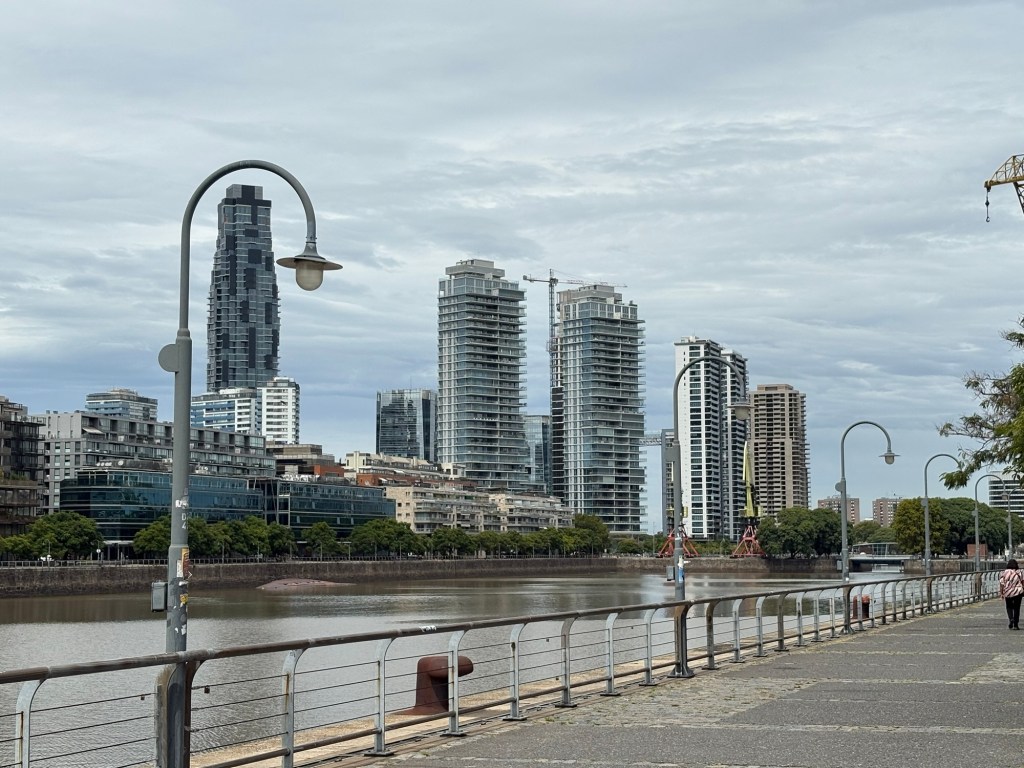
What strikes an outsider (like me) from the USA as a lack of coordinated tourist infrastructure often stems from this resilient, live-in-the-moment ethos.
People line up impeccably for buses yet let nightlife bleed into dawn; they pass around mate—that bitter green infusion sipped through a metal straw—in deep, animated debates over politics or life, while sidestepping direct confrontation in daily interactions.
It’s both vibrant and maddening in equal measure: the same fiery energy that powers incredible street life, tango, and long Malbec-fueled conversations also leaves everything feeling slightly off-kilter, as if the city prefers improvisation to rigid structure.
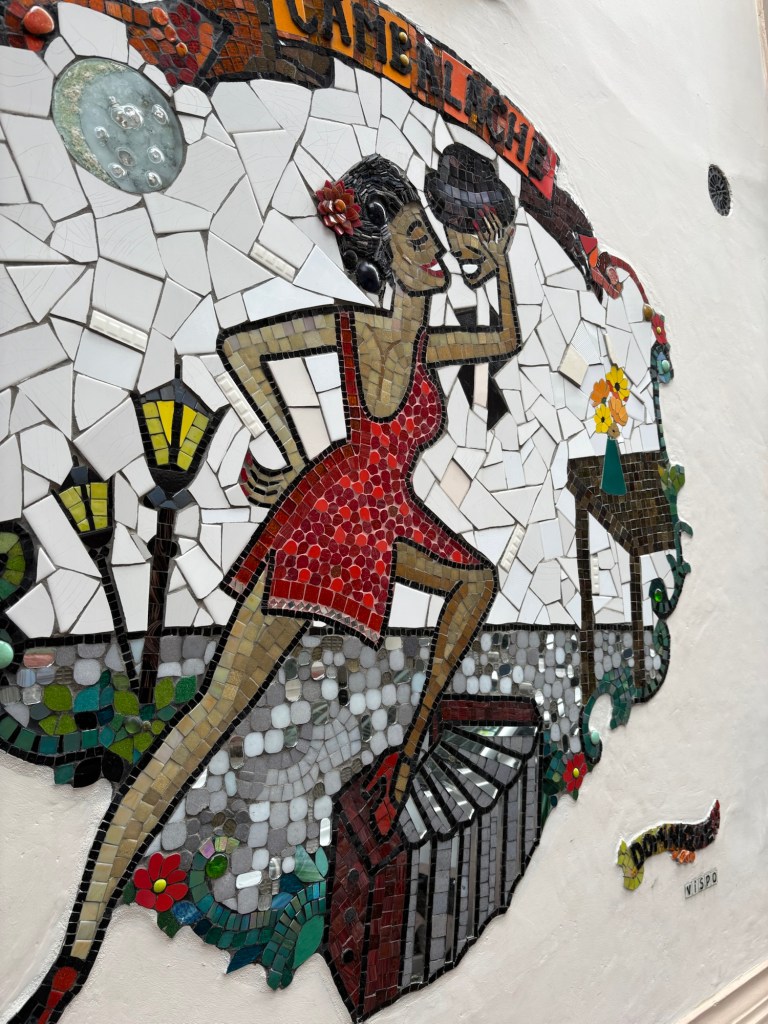
Perhaps that’s why a proper, centralized tourist map with clear attractions and reliable directions is so elusive. There’s no strong institutional push to impose order on the organic flow—the government hasn’t prioritized it, and local entrepreneurs or businesses don’t seem to need it. The people navigate by instinct, word-of-mouth, and sheer intuition.
Street signs hide unless you forcibly hunt for them, forcing reliance on Google Maps (a gamble in a city where phone-snatching is a real risk). Yet when the pieces align—like the electric Sunday buzz at San Telmo’s Mercado and the sprawling Feria de San Telmo antique fair along Defensa Street—it becomes magic: fresh empanadas and produce, artisans hawking leather goods and handmade jewelry. I wish they would have made room for the street performers to fill the air with tango and music, all wrapped up in unfiltered vibrancy.
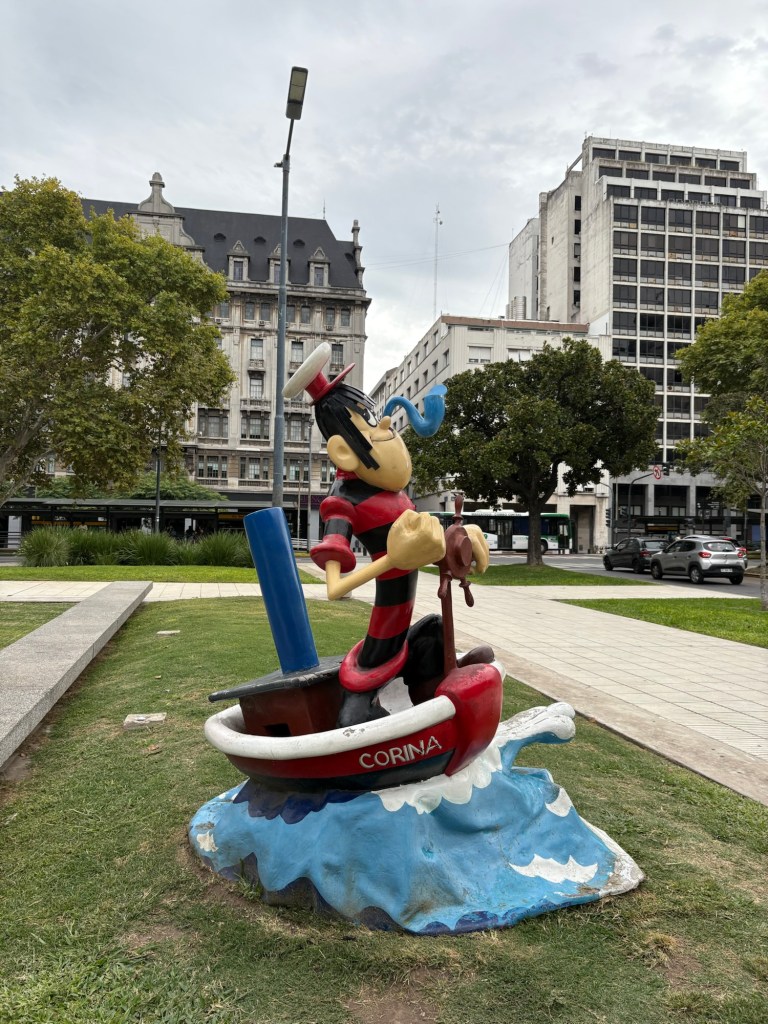
The city seems to whisper, “Figure it out—the charm lies in the discovery.”
My lodging at 814 Defensa (more apartment building than hotel) captures this spirit perfectly. After a week of gentle complaints, the stairway lights finally got fixed. The same towels and sheets all week (the musty smell is now unmistakable), no daily cleaning, and the single contact person is perpetually unavailable. The building’s laundry? Broken and padlocked.
Google claimed laundromats close on weekends, but I stumbled on one in San Telmo open and bustling on Saturday—full drop-off service. Classic Buenos Aires: reality cheerfully overrides the map.
This same improvisational, resilient-yet-frustrating vibe permeates the volunteer program I’m here for: El Poder del Deporte, a nonprofit that uses sports (soccer, and more) to empower kids in disadvantaged neighborhoods (villas/miserias). The program also includes English classes for 6–12-year-olds.
The local teacher is outstanding—dedicated, skilled, and warm—but resources are thin, and there’s little drive to push beyond what’s available.
For instance, I downloaded an extremely worldwide, popular English learning cartoon video and we’re forced to show this video on a smartphone while dozens of unused TVs sit idle in rooms like ours (and probably in community centers too), ideal for group viewing. I emailed the director suggesting we hook one up—no response yet.
Another volunteer—this time, two nurses from Boston, USA—shared a troubling experience with me. They are working in a medical facility where they encountered a patient with open wounds requiring urgent treatment. When they requested essential supplies, they were told the items were locked away and unavailable.
According to the nurses, the supplies likely didn’t exist at all, but staff refused to admit the shortage. They, just like me, were frustrated that no prior contact had been made with us because there are so many things that we could’ve brought with us that would’ve benefited the people here had we known in advance that this need existed.
It’s not a lack of heart; the mission is genuinely meaningful, and the people are deeply committed. But the cultural lean toward harmony, working within constraints, and improvisation over persistent advocacy often stalls even small improvements. Frustrating, yes—but it mirrors Buenos Aires perfectly: passionate, deeply human, imperfect, and brimming with untapped potential.
The kids’ raw energy still makes every day worthwhile. I’m adapting, nudging gently where I can.
Buenos Aires has a screw loose, no doubt—but it’s a deliberate, endearing one. The chaos isn’t necessarily a flaw; it’s how the city stays alive, passionate, and unapologetically itself. After one week, I’m beginning to understand it… and respect it, even if only just a little.
Would I do this again—volunteer with this program right now? Absolutely. And why am I taking so much time to document some of this? Well, one day my older self would like to know what my younger self was up to, and maybe, just maybe, I’d like to remember more details about it besides a few well-taken pictures. This way, I remember the details, the names, even the scent during that 90-minute blissful massage that I started the day out with.
Ralph
March 15, 2026

 Trawlercat Chronicles