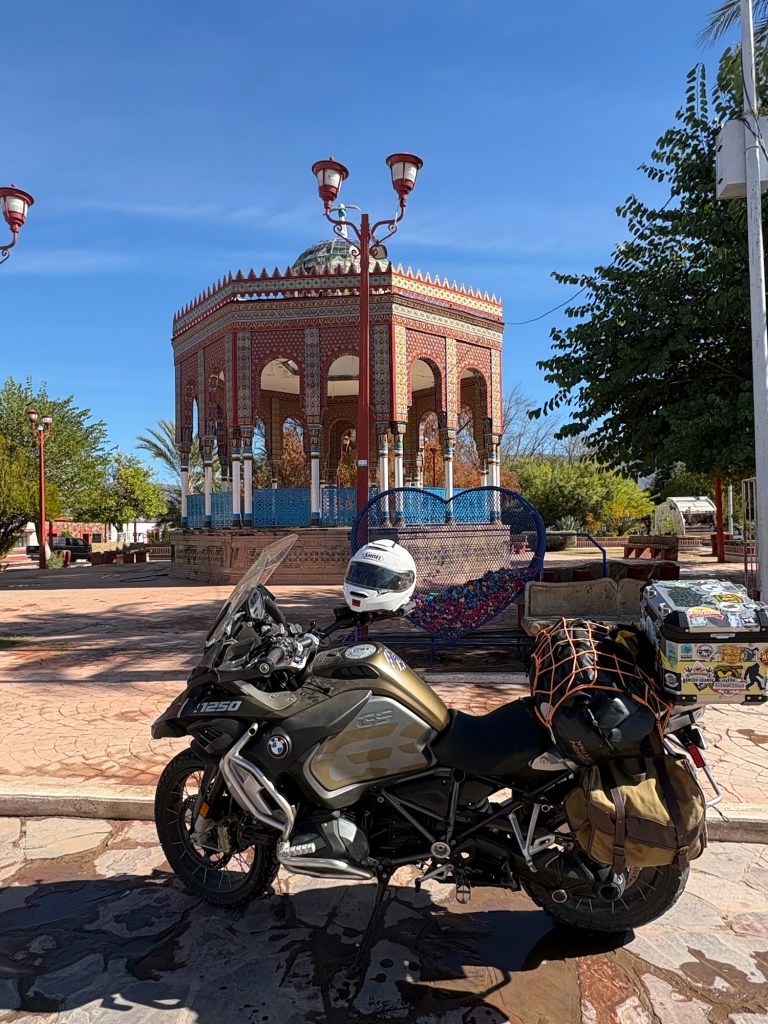
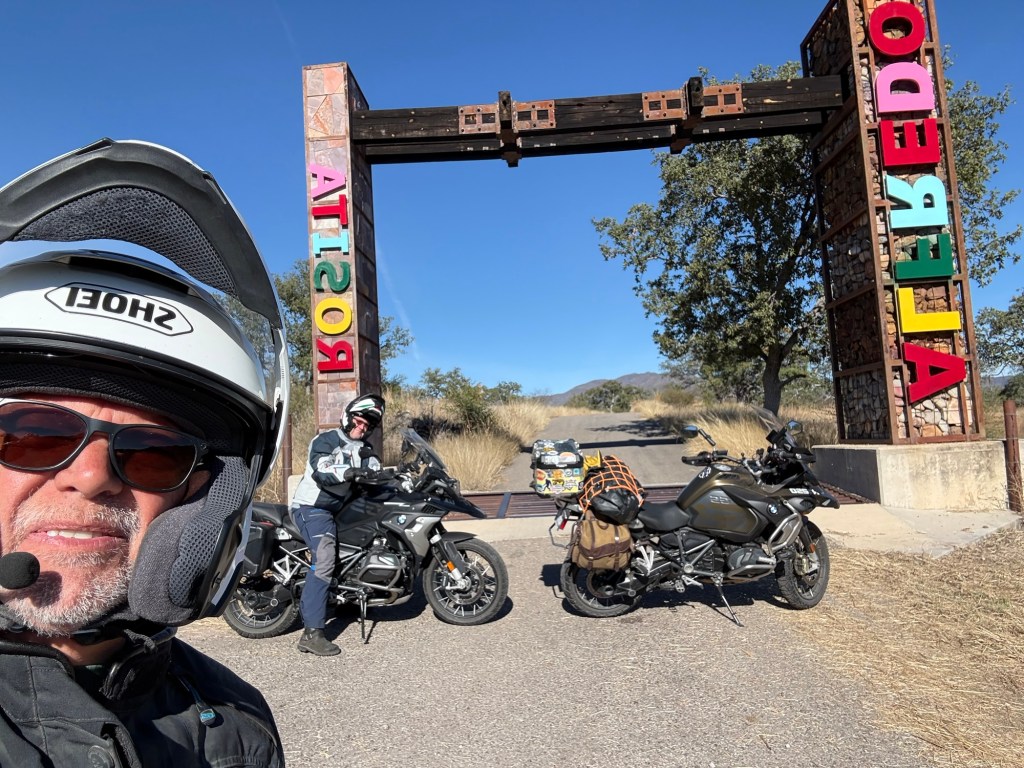
When I turn seventy-one and end up on some forgettable park bench in Southern California, my grandson Wyatt might roll his eyes and call bullshit when I spin this tale. And there we were; three of us on BMW Adventure bikes, one on a Ducati and the other a KTM ripping out of our home states and plunging straight into Mexico: San Carlos, Guaymas, Mazatlán, then veering inland through Peralta, Durango, Creel, the wild heart of Copper Canyon, and forgotten dots on the map like Yécora and Banámichi.
It sounds like the kind of story you’d share with another rider or a stranger who says they also ride. But this story isn’t fiction. It was just us, the open road, and whatever Mexico decided to serve up to us. Talk to just about any rider who’s spent real time down here—guys from the Sonora BMW Club, or locals who’ve seen bikes roll through year after year—and they’ll tell you the same thing: Mexico is straight-up paradise on two wheels.
Endless variety, from coastal sweeps to high Sierra twisties, the Devil’s Backbone climb out of Mazatlán, descents into canyons deeper than the Grand Canyon, and remote stretches of dirt and pavement that feel like private discoveries. The roads demand focus and reward it; set your pace, stay sharp, pick smart lines, and if something feels off, you’ve probably already made the mistake.
Riders who’ve been here know—Mexico doesn’t give easy miles, but it pays back big to anyone who shows up ready.
Mike and I both hope we’re still carving twisties well into our seventies. Who knows? Life flips fast.
Right now it’s just past seven in the evening, and I’m horizontal in a bare-bones room in Yécora, Sonora—a speck most people couldn’t locate with a GPS and a prayer. Population around four or five thousand, mountains crowding in like they’re guarding old secrets.
Last night I shut off the propane heater before bed; that unvented propane tank right there in the room felt sketchy. This morning I flipped it back on to chase the chill, then knocked on Mike’s door for a quick welfare check—half expecting him asphyxiated. He’d left his running all night and slept like the dead. The room cost us 700 pesos—about thirty bucks. Quiet town, cold air, good vibes.
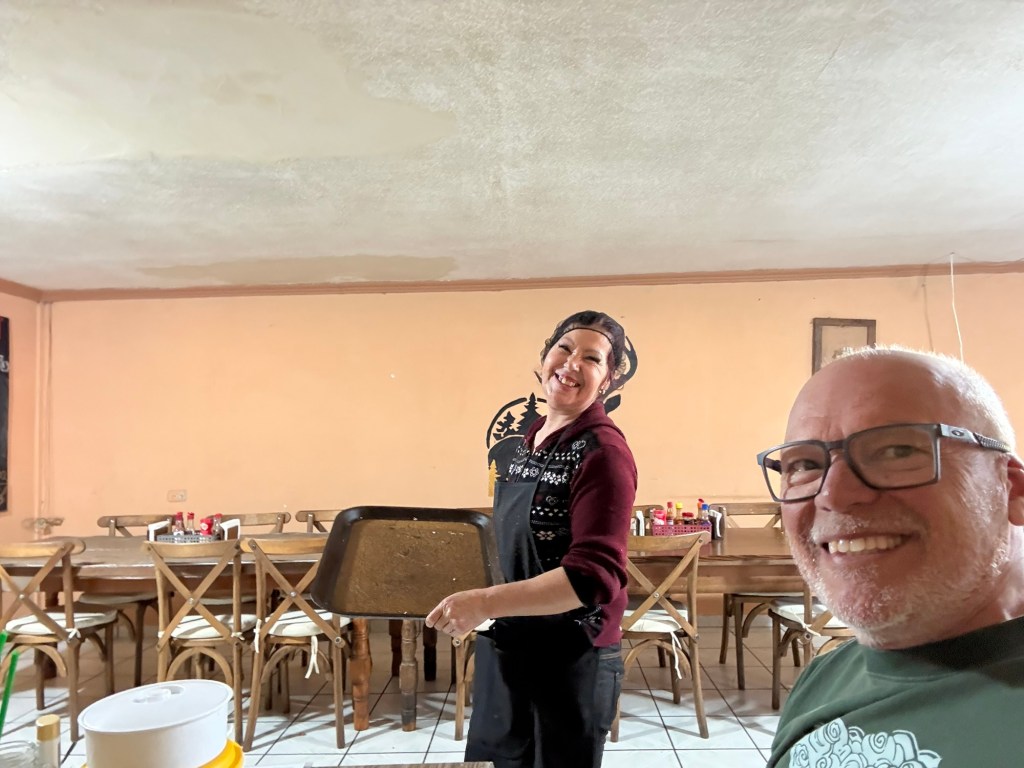
Breakfast was back at Los Aguajitos on Avenida Juárez (between Álamos and Nogales streets; they’ve got a Facebook page: Restaurant los aguajitos). Doralita runs the place—cooks, owns, greets you with a smile that’s real. Another guy wandered toward the kitchen; Doralita said something about him being Emma’s boyfriend or uncle. Mike and I heard different versions—our Spanish is solid enough to get by but still trips us up on the details. We didn’t pry.
We ate there last night too. Doralita talked about her peach ranch and invited us back for harvest in July or August—canning season. Mike lit up; he’s ridden with the Sonora BMW Club a few times, and they’ve timed stops here right around peach time. She described the weather then: warm days, cool nights, no extremes. The fruit at its sweetest, the whole town buzzing. I might actually show up—who says no to fresh Sierra peaches when the riding’s prime?
Her daughter Emma drifted in last night—thirty, single, sharp as a tack. Tall, maybe five-eight, long brown hair, big expressive eyes, and a smile that could warm the coldest mountain night. Bundled against the bite: thick sweater, scarf, jacket, those tall black leather knee boots that look practical for dirt roads yet somehow elegant. (We’re both married, both old enough to behave—we weren’t chasing anything.) Between my fast-but-broken Spanish and Mike’s better listening, we pieced together her story: psychology degree, left for Obregón at fifteen with her dad, returned three years ago after he passed to help her mom keep the restaurant alive.
We were the only customers, so they treated us like family—chips, snacks, fresh lemonade for me, Topo Chico for Mike. We pulled out phones and shared trip photos: dusty backroads, copper canyon, Mazatlan beaches. Their eyes widened; they asked real questions. Other Mexicans have told us the same thing along the way: between the four of us, we’ve probably seen more hidden corners of this country than most locals ever will.
Motorcycles let you chase the routes cars skip and people don’t need. Doralita nodded thoughtfully; Emma’s smile flashed again. Travel long enough, and the real places open up when locals stop seeing tourists and start seeing someone who’s paying attention.
Mike went enchiladas; I took chile relleno. Both perfect. Emma kept circling out of the kitchen, saying hello each time, until the evening felt like catching up with old friends.
This morning the air stung cold as we rolled out. Highway 16 hit us with immediate, demanding twisties. We cleared two checkpoints—no hassle—one produce inspection, one more official—then the road opened up. Sun rising, mountains glowing gold. After a week of this, the curves felt almost routine. My mind drifted over the week’s small adventures—nothing we’d change, all of it fuel for the story.
Mike passed and pulled ahead. I eased back, happy at my pace. At the fork, we could’ve stuck to the original plan or swung north toward Banámichi. North won. We turned right onto Mexico 20, and everything changed.
The pavement started decent, then narrowed into something raw and intimate. Brush and tall grass closed in, shrinking the world to just the strip of road. Rock slides spilled across the asphalt—big chunks forcing careful lines. Potholes deepened, some tire-swallowers if you zoned out. It turned into a constant dodge-and-weave game, the Mexican version of a proper Backcountry Discovery Route: remote, rough, full of surprises. We chased ancient-looking cows, overtook a suspicious truck piled high with who-knows-what (fertilizer?), then silence—no signal, no traffic, just empty miles. Ranch gates vanished into nowhere; the road kept degrading—more loose rock, shallow river crossings where water sheeted across the pavement. At one ford a broken-down semi sat hood-up; the driver waved us past, said forty kilometers to pavement. We trusted him.
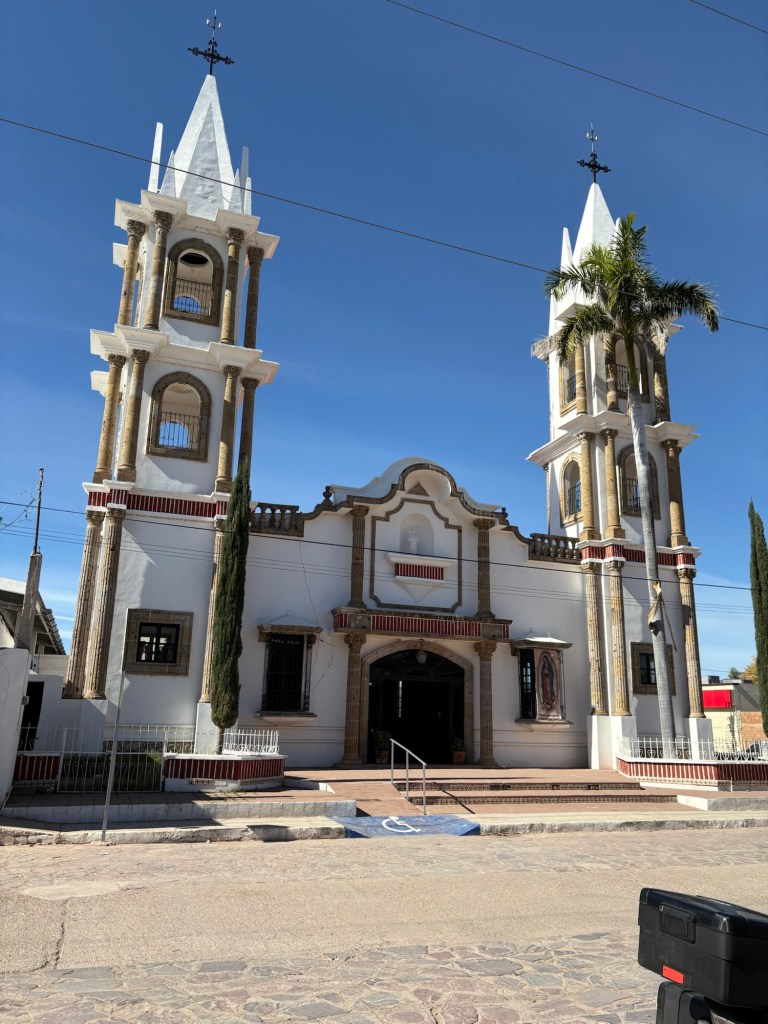
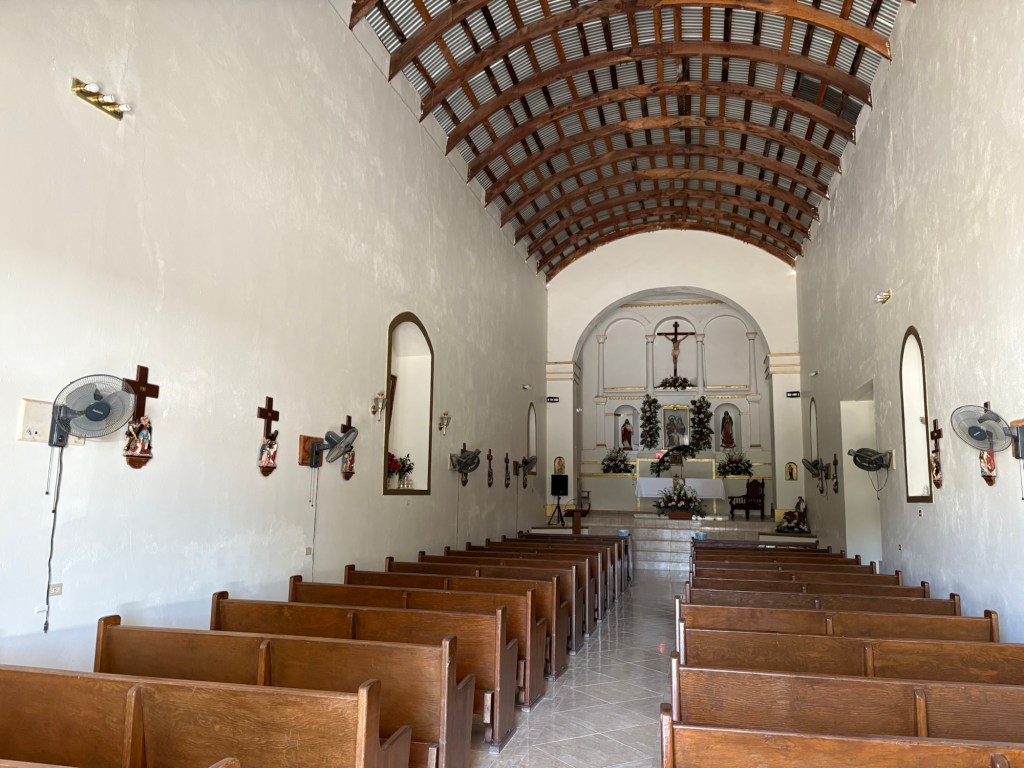
Through nameless villages, one with a handsome old church—arched ceiling that reminded me of the Eiffel Tower’s iron lattice. We parked, wandered. School kids were out; we asked about the place. The teacher shrugged on the church’s age; a twelve-year-old boy nailed it: 1905. Kids always know more than you think.
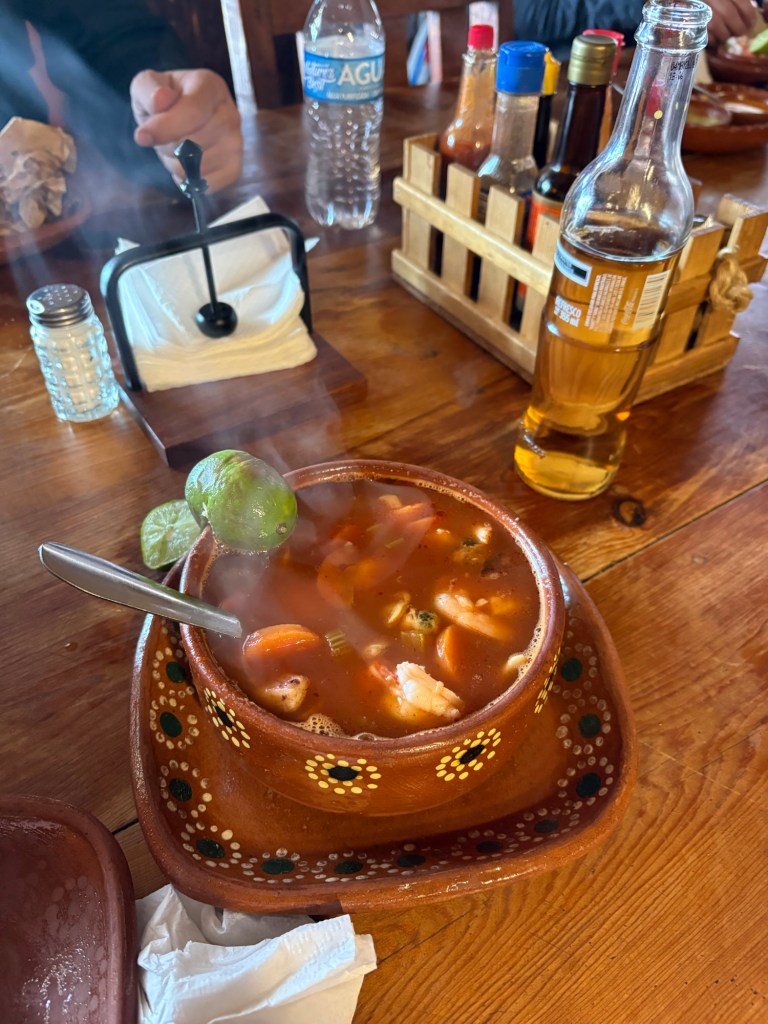
The road straightened through ranch land—still interesting—then hunger hit. Mike remembered a spot from a Sonora BMW ride. We found it: hearty food, warm people, prices that felt like a gift. I had chile-heavy queso soup with potatoes, breaded fish, rice, salad, and limonada. Whole meal barely hit fifteen bucks. Full tank, full belly.
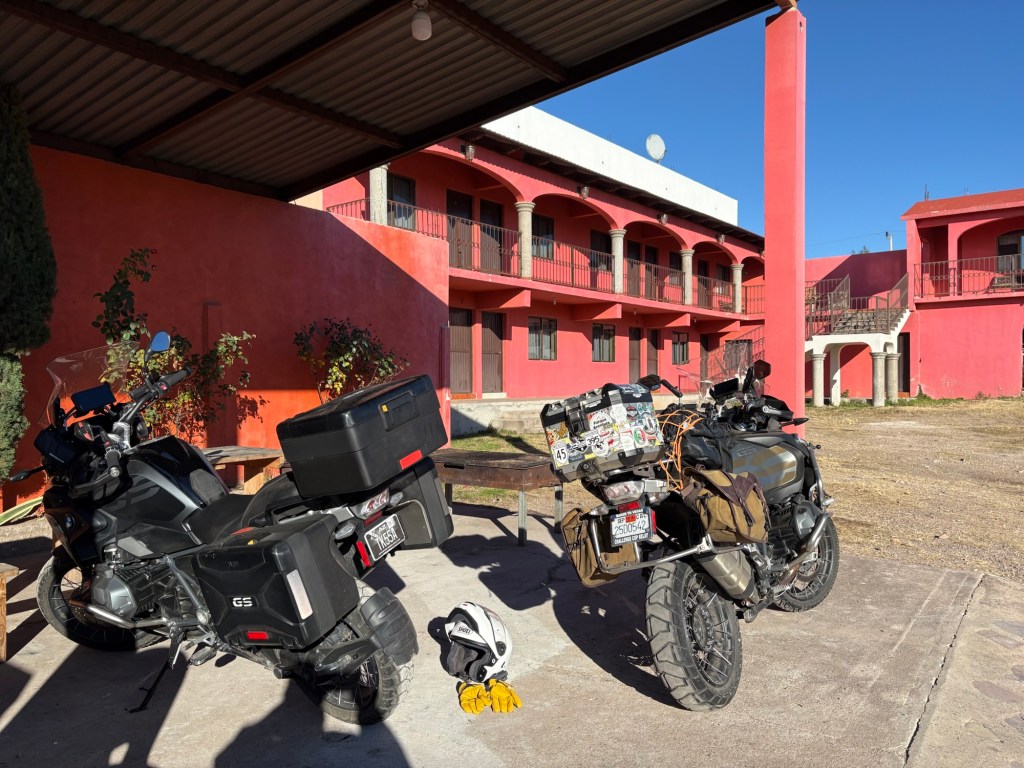
Three hundred-plus miles later we rolled into Banámichi and checked into La Posada del Río Sonora. The owner had messaged ahead—asked if we wanted the bikes inside the locked courtyard. Hell yes.
Later, bikes safe behind the gate, Mike and I looked at each other and said it at the same time: that stretch of Mexico 20—narrow, overgrown, potholed, river-forded, rock-slid, empty—would make a killer Mexican BDR. Challenging but rideable, wild enough to feel remote, varied enough to keep you sharp, scenery that forces you to pull over every few kilometers just to stare. Someone should map it, mark it, name it. Until then, it’s ours—a private slice of backcountry gold that felt like it was waiting for two idiots on BMWs to find it.
That’s the day. No heroics, no disasters—just good miles, solid food, kind strangers, a harmless mix-up over family ties, a quick morning check on my riding partner, showing photos to two women who made us feel at home, and the quiet thrill of stumbling onto something legendary. When that kid on the bench asks if it’s true, I’ll shrug and maybe pull up a photo. The road doesn’t lie, even if memory buffs the rough spots. And honestly, I love writing these—capturing the days as they unfold. If anyone enjoys reading them half as much as I enjoy living and telling them, that’s more than enough.
Ralph
January 21, 2026

 Trawlercat Chronicles